
What should you write down after tennis practice?
Record the task, the conditions, one observable result and the next adjustment. A useful note helps you design the next session instead of grading the last one.
Analysis, technique, tactics, and player development. Clear explanations for the questions that come up on court.
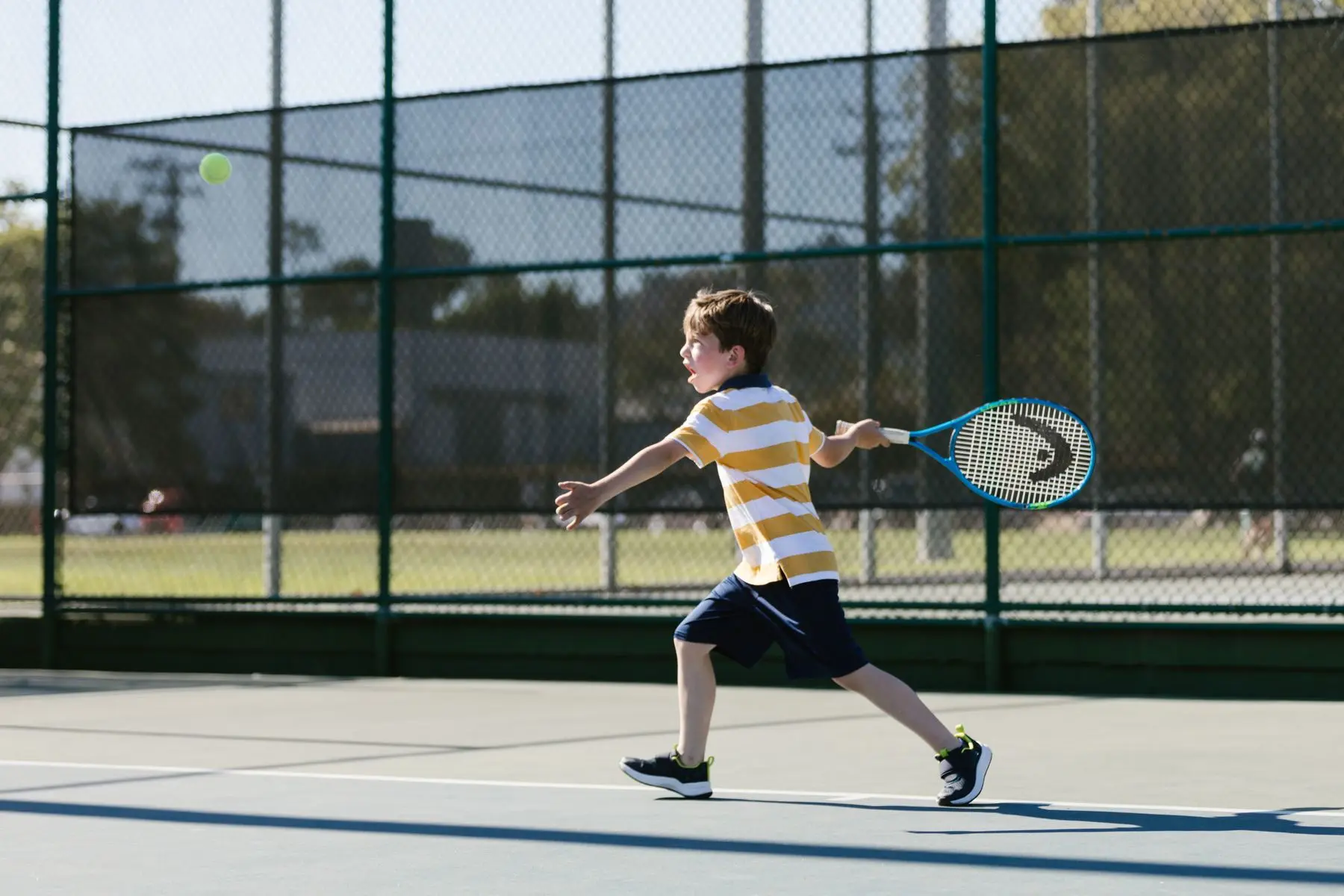
Record the task, the conditions, one observable result and the next adjustment. A useful note helps you design the next session instead of grading the last one.
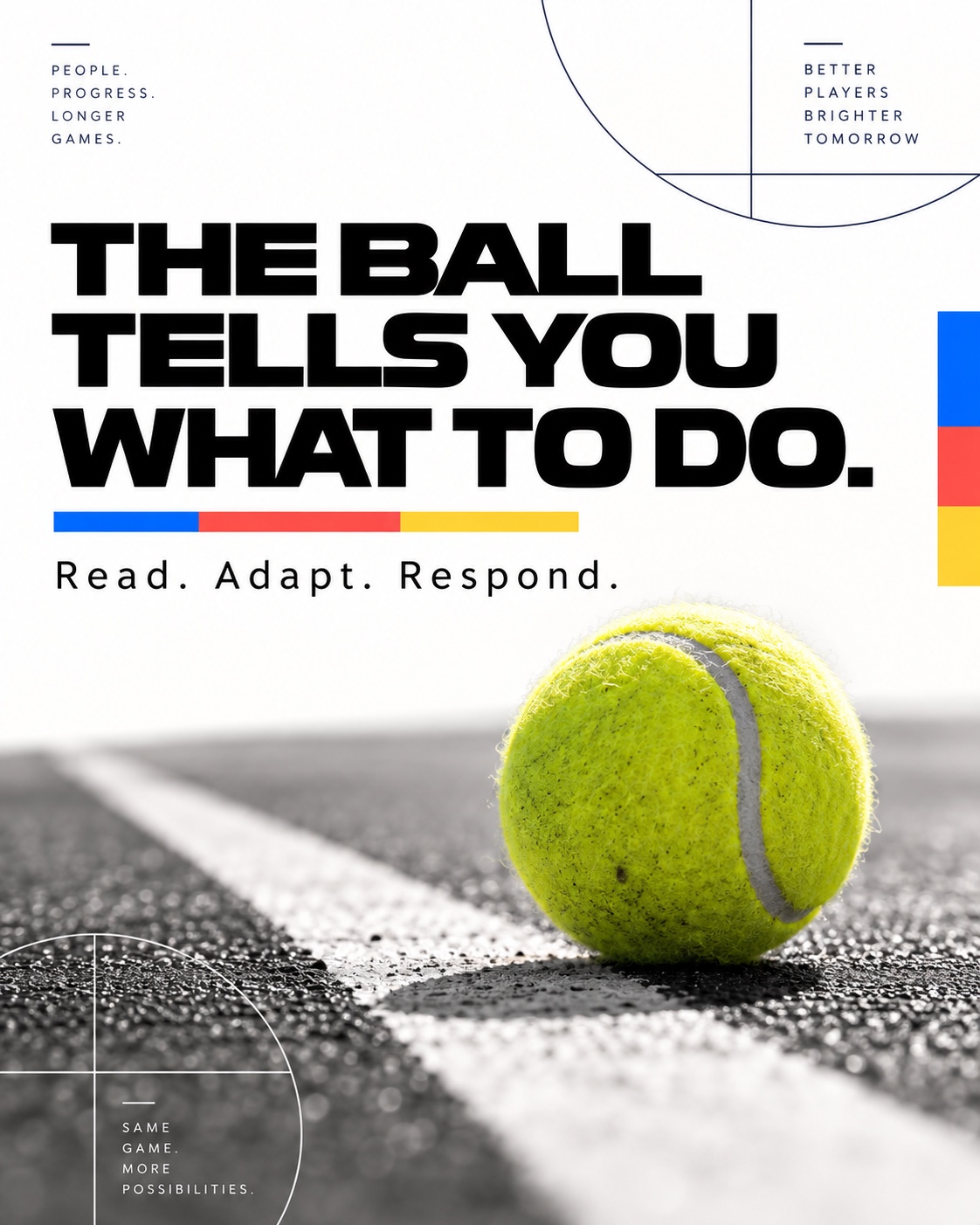
Before rebuilding your swing, give the rally a clearer task. Use a generous crosscourt target, notice the miss and change one condition at a time.

The most prestigious-looking event is not always the event that answers the player's next development question.
Understand where your feet go, why the incoming ball changes the answer, and how to practice both without rebuilding your forehand.
Sascha’s title puts two generations of tennis experience in focus. What can a family pass on beyond physical gifts, and where does that advantage have limits?
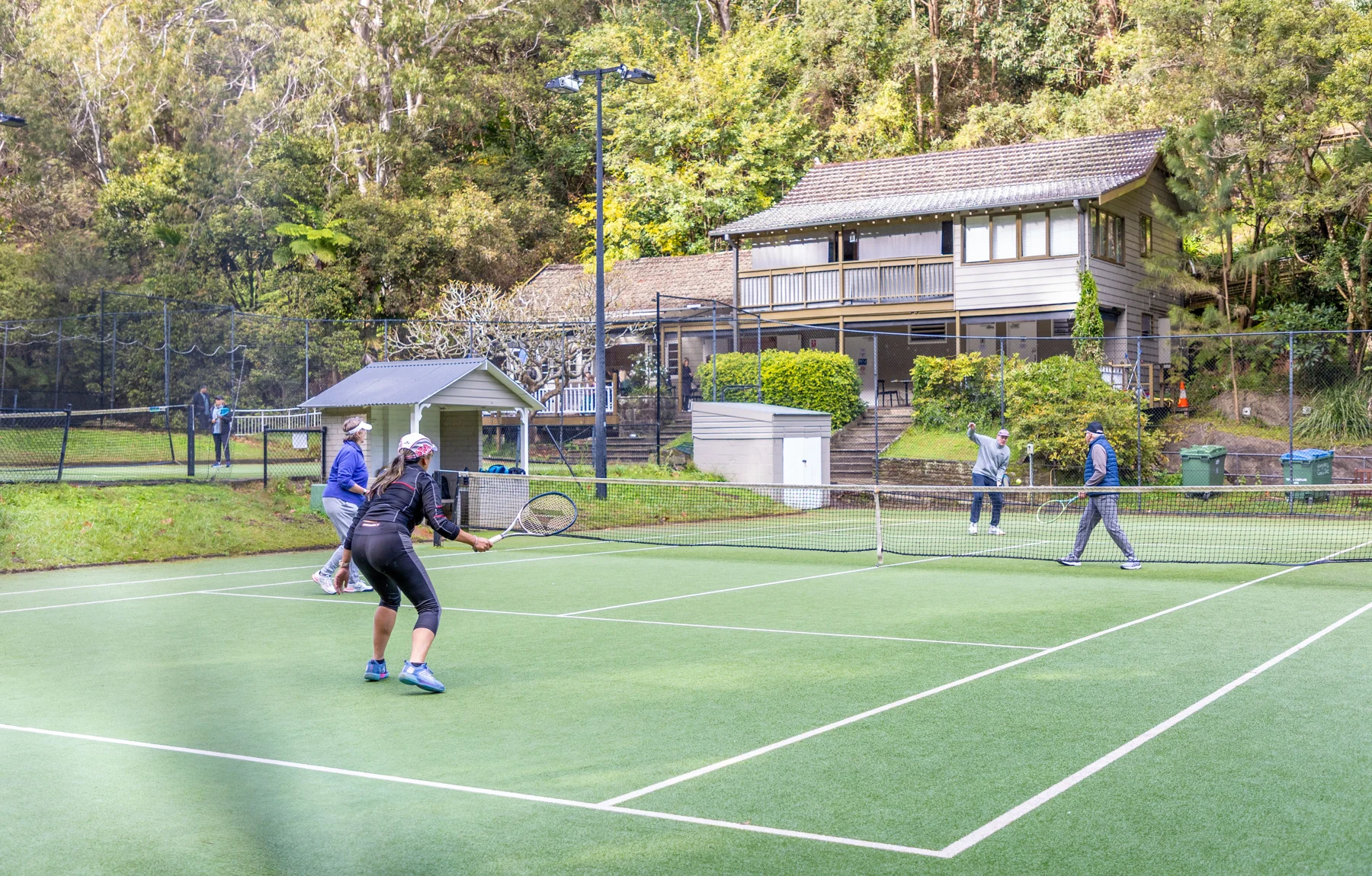
Lower-compression balls and a smaller playing area can help adults rally and play points sooner. Here is how to set up a first game without starting at the baseline.
A low-pressure first session can rebuild timing, confidence and enjoyment without pretending you are ready for match play on day one.
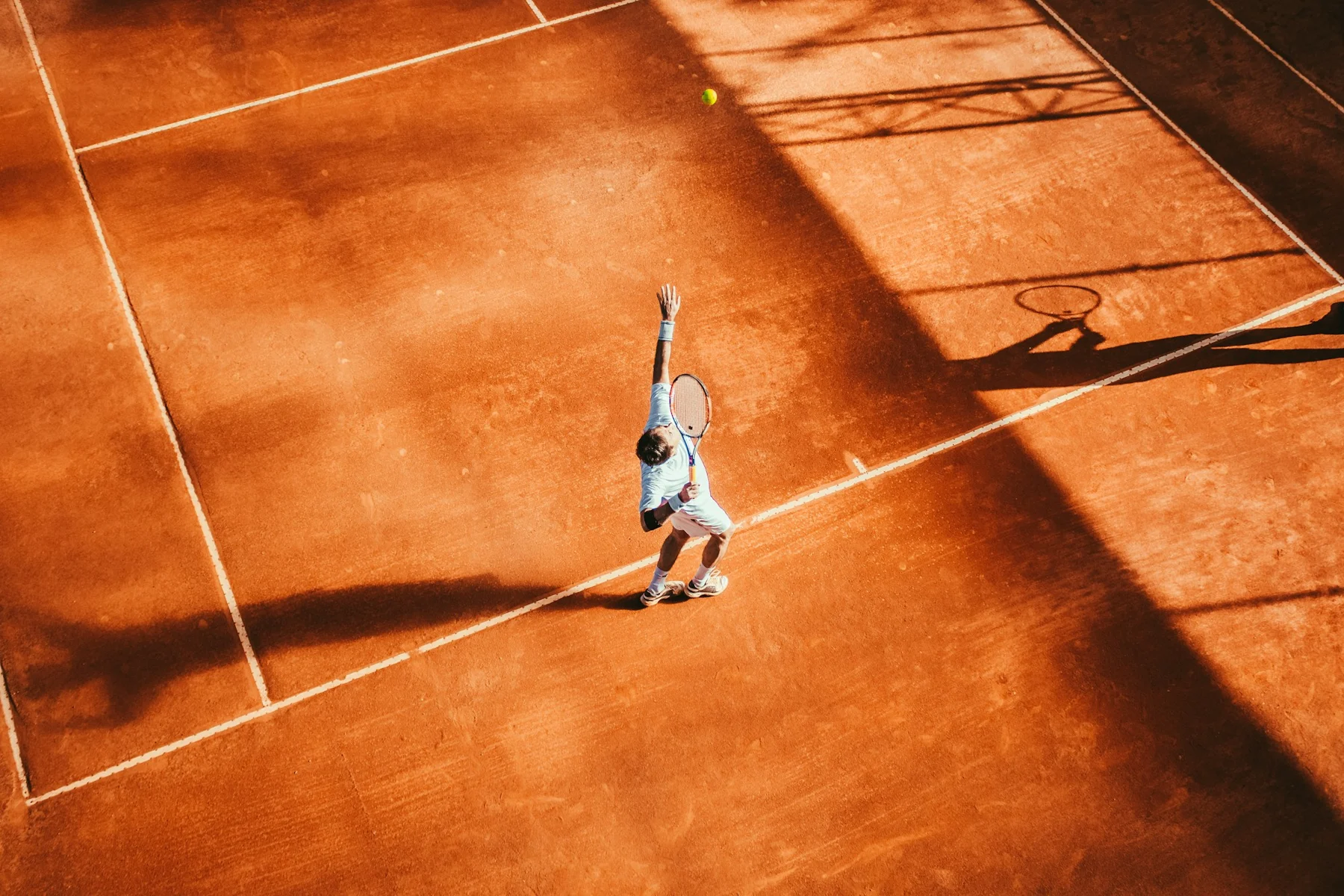
A match and a purposeful practice can ask different things of your game. Give each session a job before you step on court.
The racket may feel familiar. Give yourself room to find a routine that fits your life now.
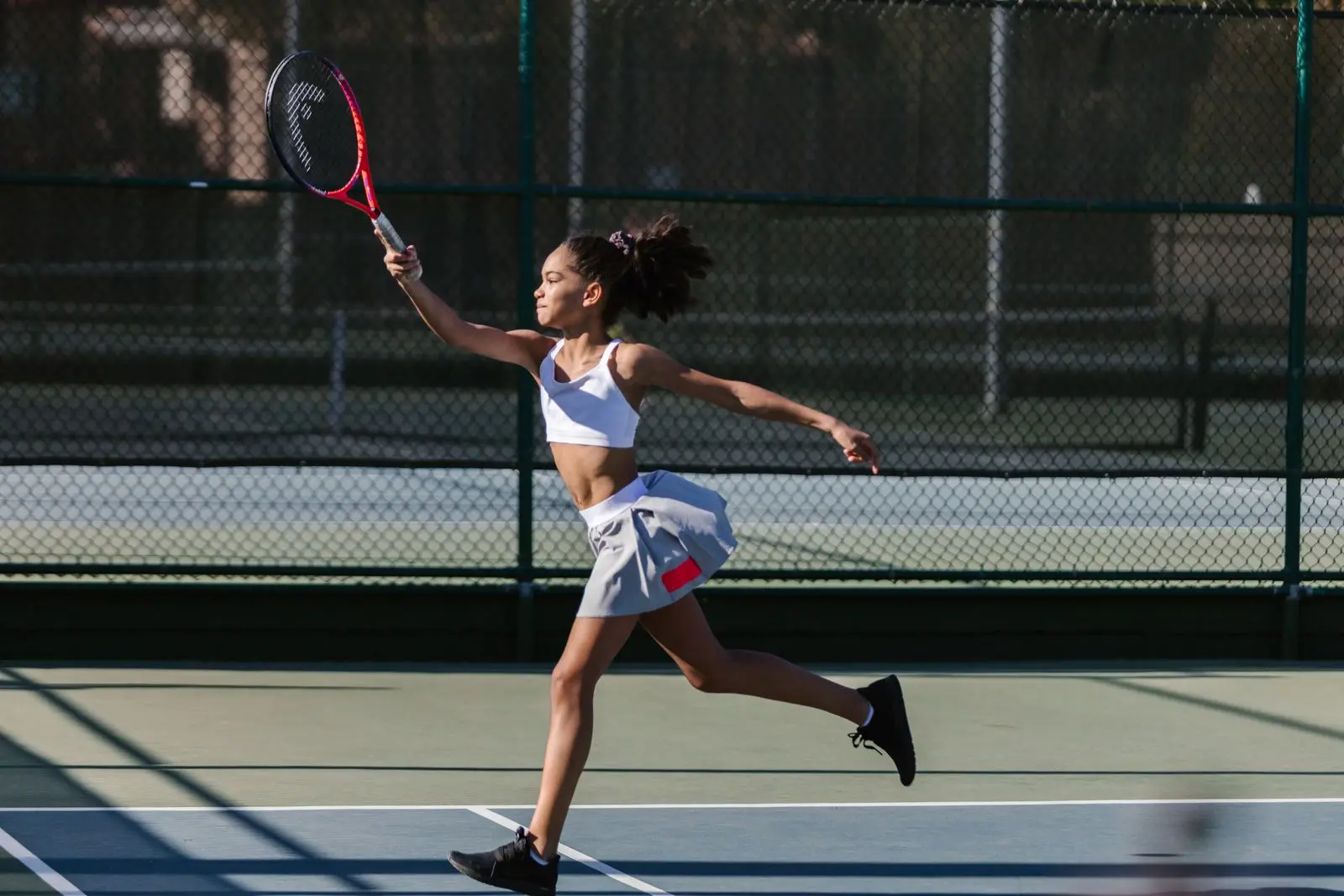
For a junior family, a better decision starts with specific questions about the player’s daily experience.
Put coaching, competition, travel and equipment into the same calculation before committing to the calendar.