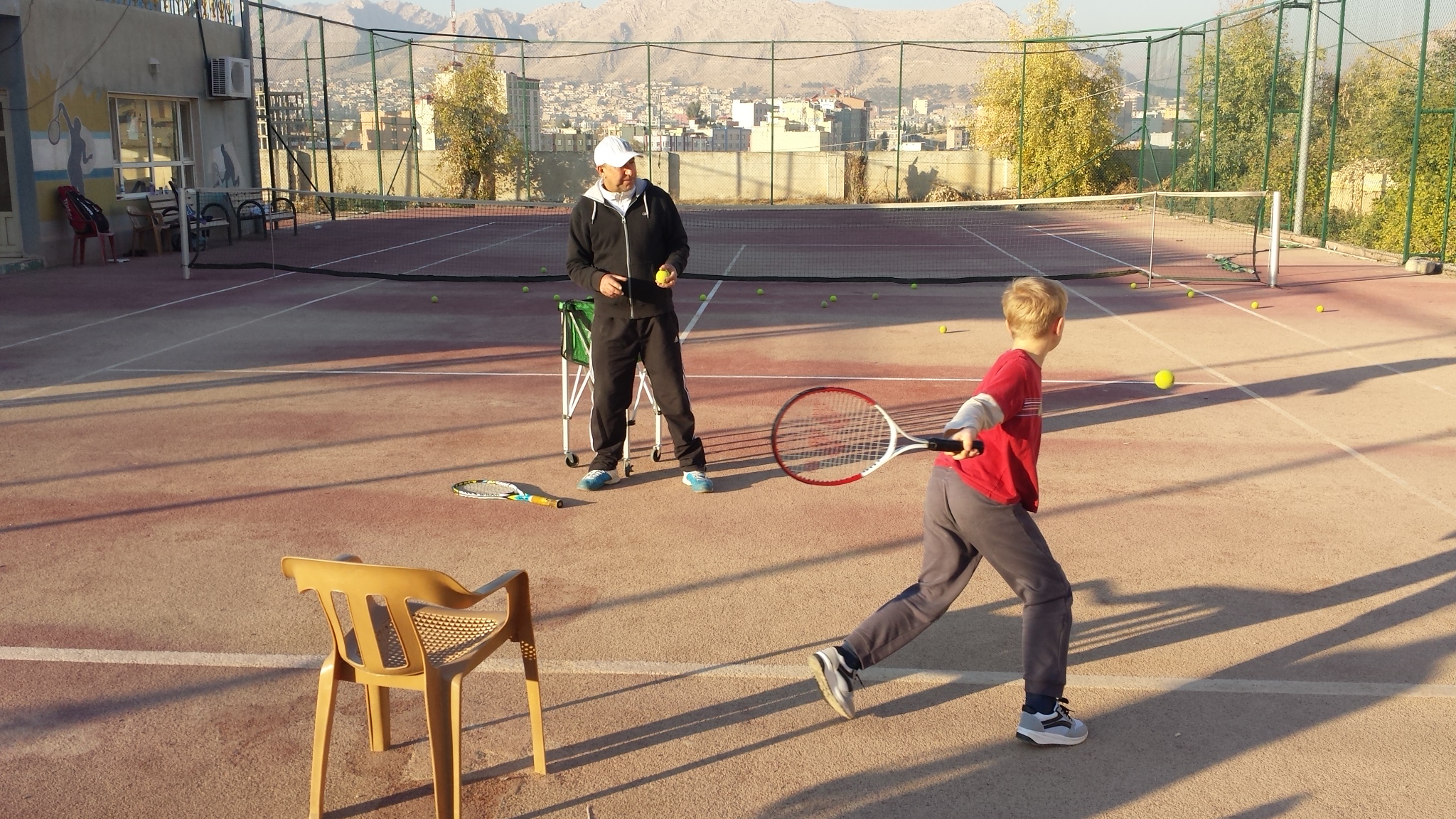
How to Build a Tennis Development Plan That Fits Your Child
A useful tennis development plan begins with the person who will live it. A simple, evolving player profile can help families and coaches connect the pieces.
From the first lessons to competitive and college pathways: consider the player, the environment and the family’s resources together.

A useful tennis development plan begins with the person who will live it. A simple, evolving player profile can help families and coaches connect the pieces.

A parent’s guide to Britain’s junior coaching stages, the skills they connect and the questions to ask before changing groups or entering competition.
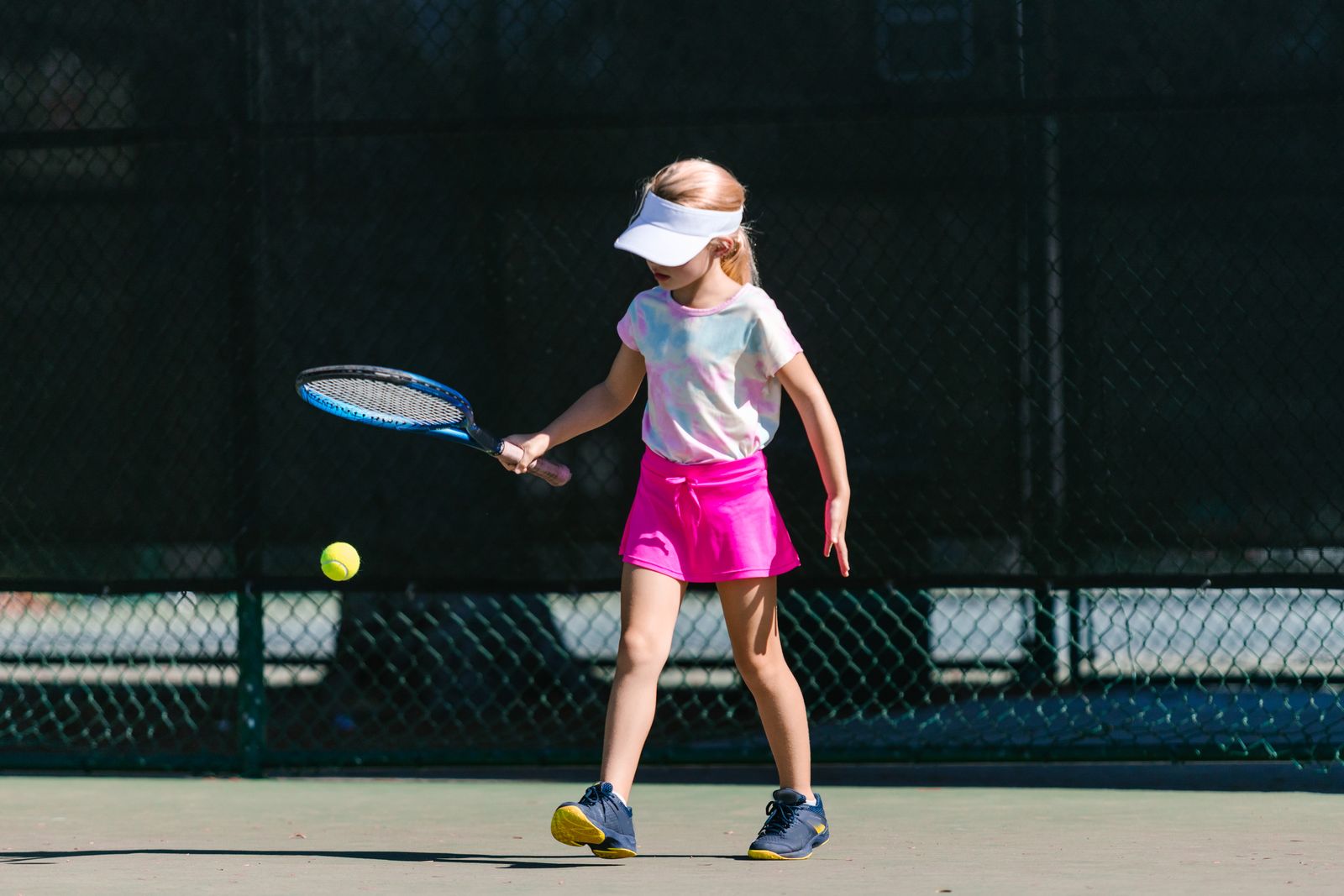
Young players need honest feedback, clear boundaries and ways to handle pressure. How adults deliver those lessons matters.
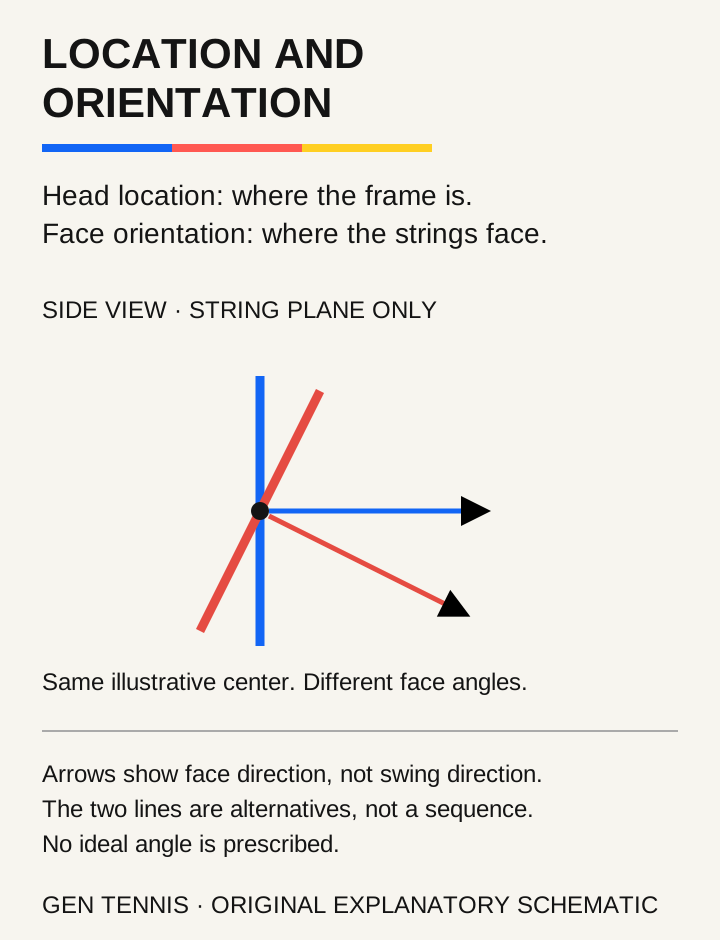
Daniel Spatz’s coaching post offers a useful starting point: make the task manageable, then choose a technical change that helps the child play the ball.
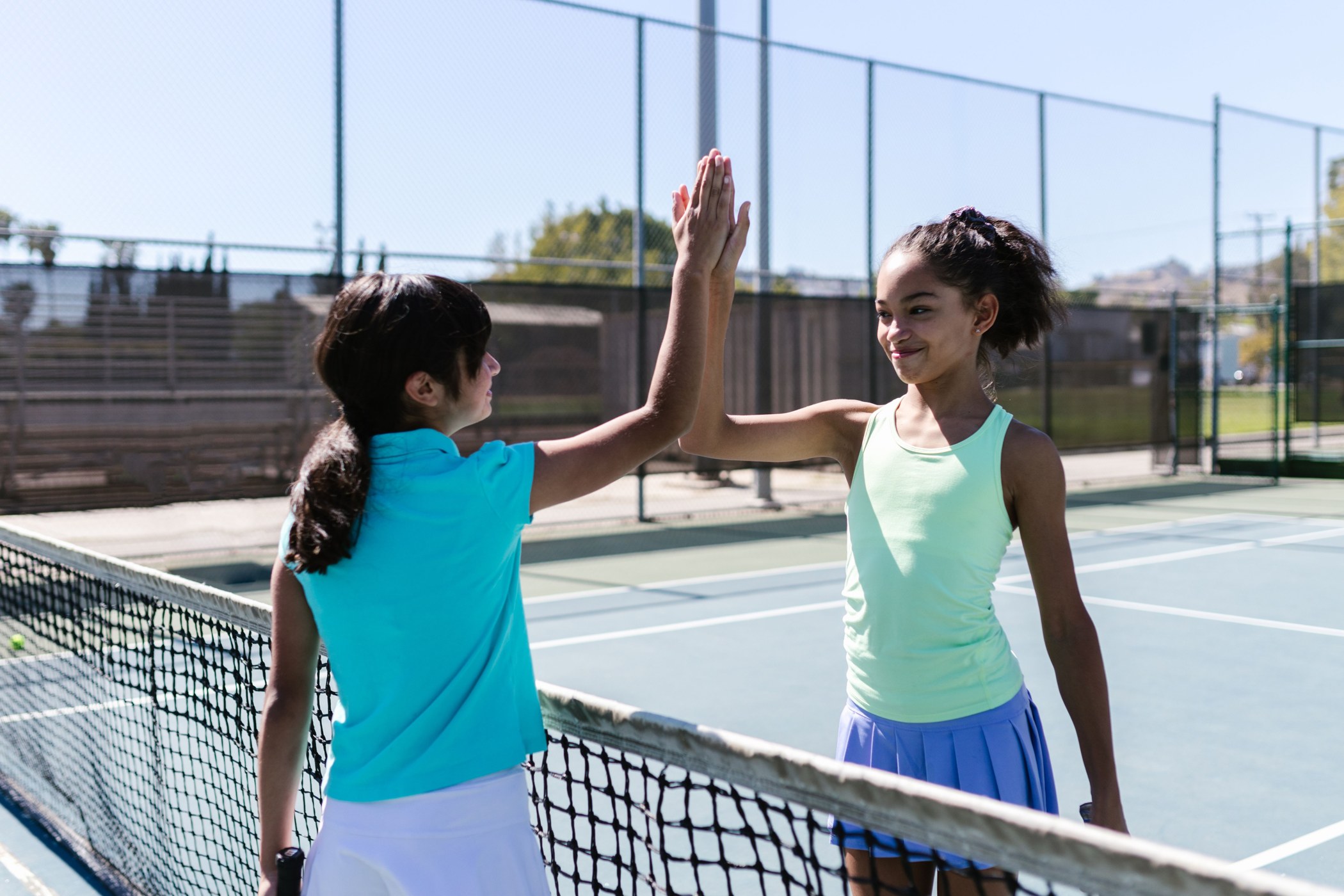
How USTA JTT and junior competitions in Britain, France and Australia work—and what parents should ask about playing time, level and commitment.
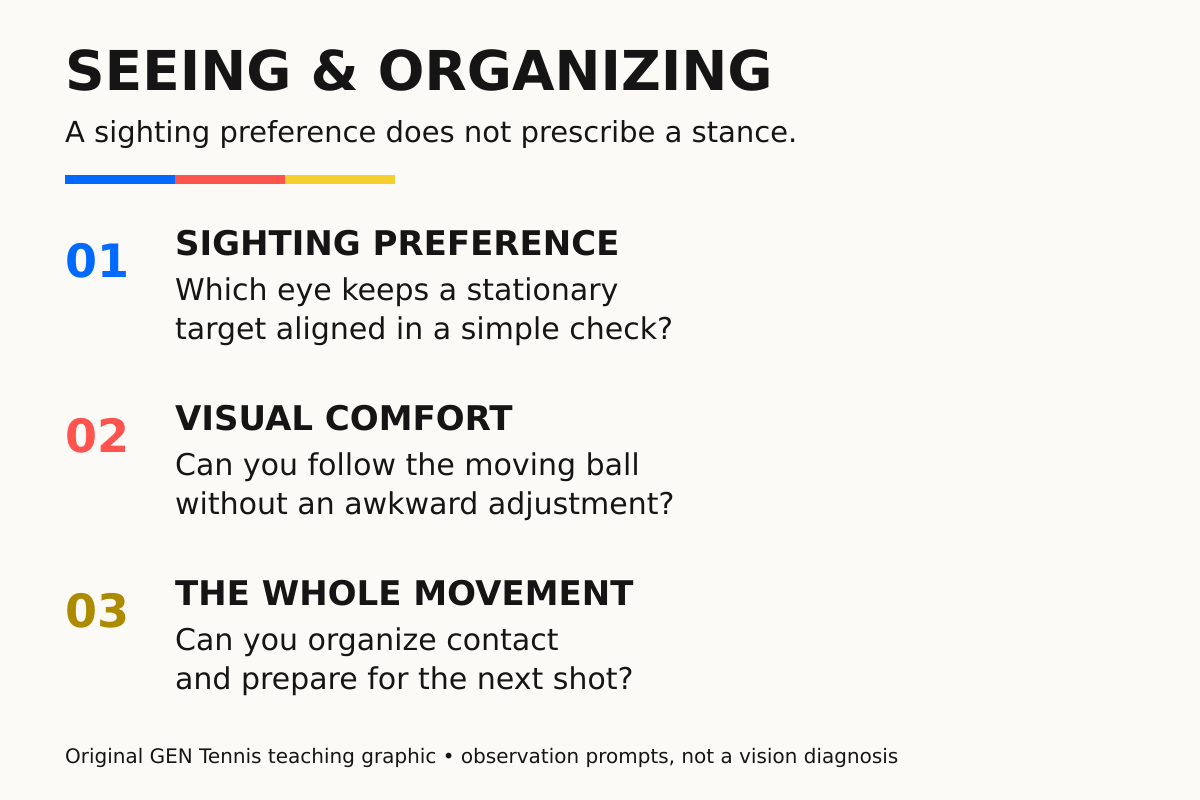
Patrick Mouratoglou recently posted on Instagram about eye dominance and serving stance, raising a useful question for players and parents: does the position you are copying actually help you see and play the ball?
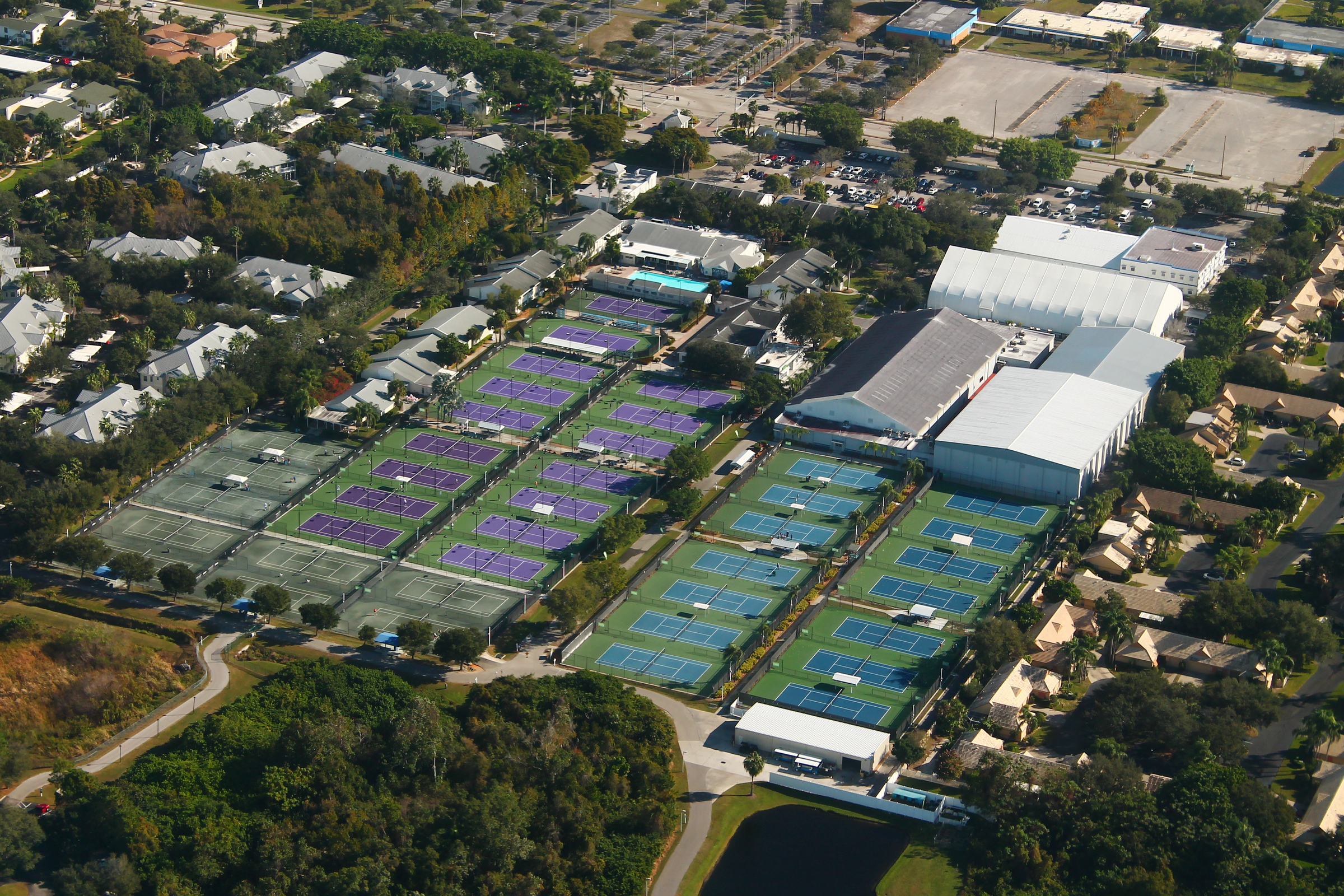
A school-year move, a junior camp and an adult tennis trip are different purchases. Compare the actual teaching, daily schedule and full commitment before choosing a campus.
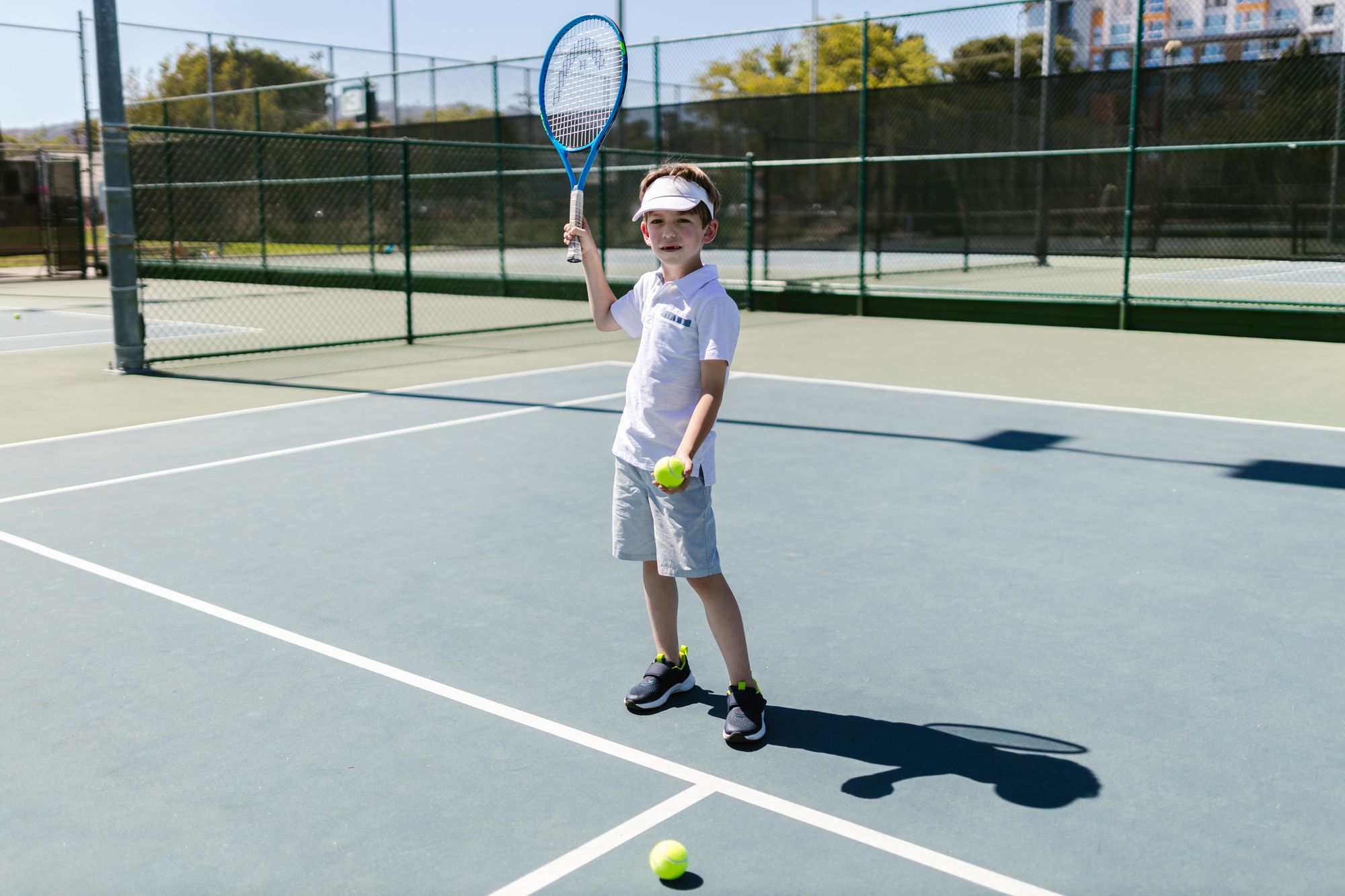
What the rating measures, how to choose useful matches, and how to approach high school and college tennis without a rating-by-age timetable.
A parent’s guide to the teaching behind the pathway: how movement, technique and decisions become a game—and what to ask your local coach.
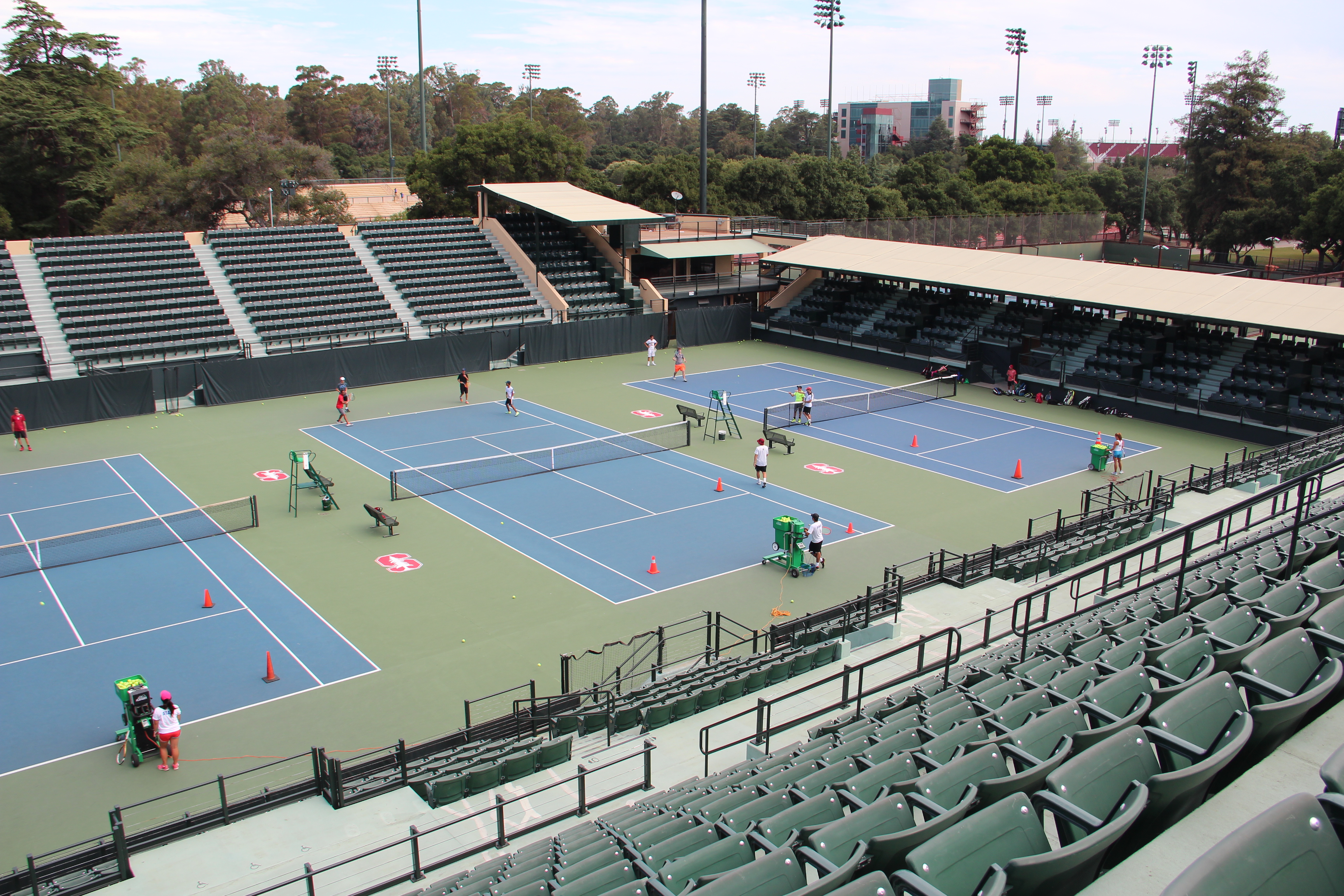
A proposed 20% cap raises a real question about opportunity. Nationality, professional experience and the number of funded places each need their own answer.
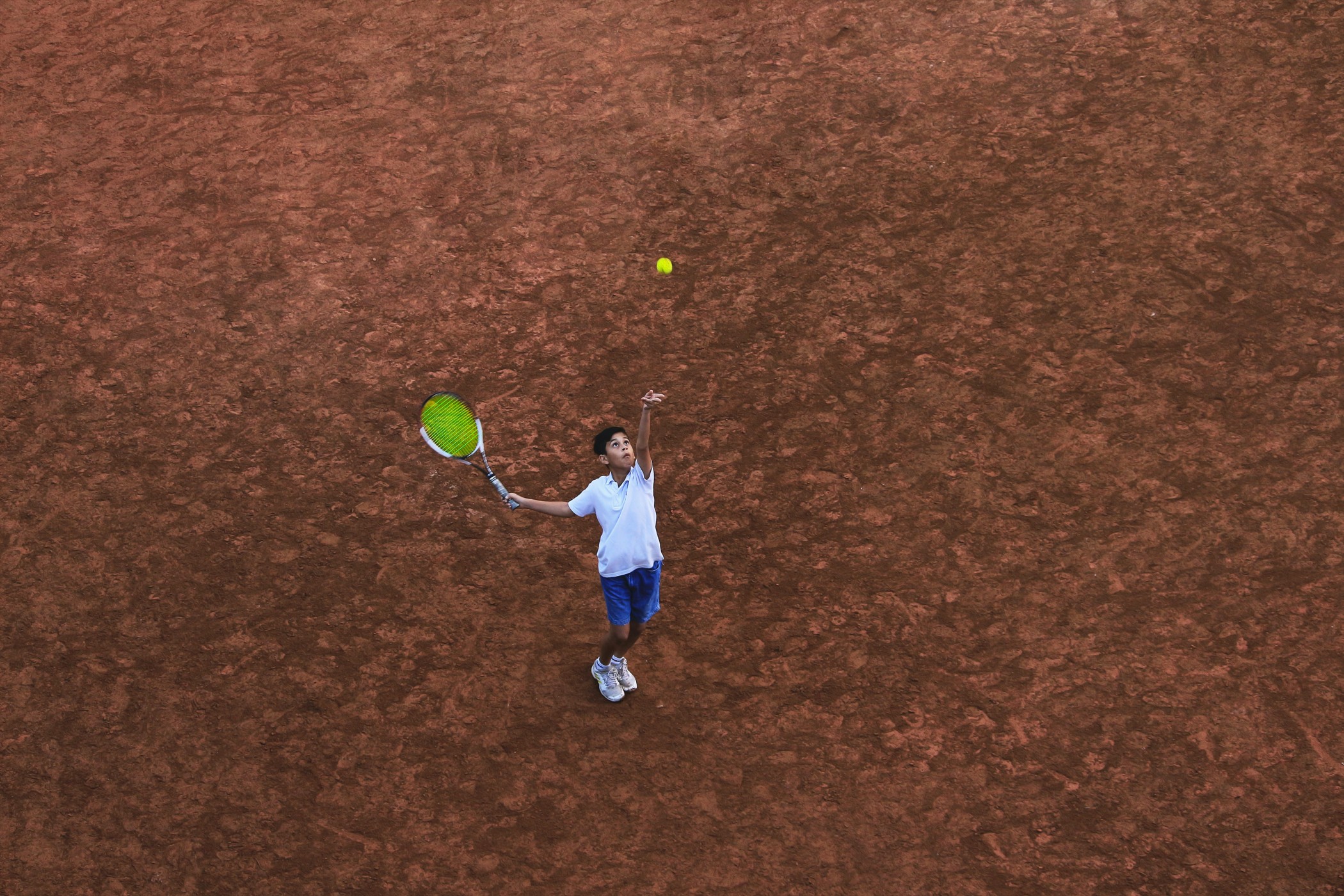
A squad place changes a young player’s opportunities. It cannot settle their future. How parents can interpret selection, ask for useful feedback and build the next stage.

Choose an event that fits, turn the tournament page into a day plan, and help your child handle scoring, check-in and the moments when they need help.

The most prestigious-looking event is not always the event that answers the player's next development question.

For a junior family, a better decision starts with specific questions about the player’s daily experience.

Put coaching, competition, travel and equipment into the same calculation before committing to the calendar.
Compare your own training, competition, travel and equipment assumptions.
Planning toolOrganize available time and review points across a development cycle.
Reference toolExplore selected player histories without treating them as predictions.
Development DeskConsider training quality, context and recovery alongside volume.
Parents can explore activities and planning from age four. The adult makes the arrangements and handles any contact with GEN Tennis. Younger children do not need a profile or an assessment score to enjoy an introduction to tennis.
Competitive juniors, academy players and college-pathway families can use the existing Pathway resources to organize their questions.
Explore Pathway resources ↗